
 EN
EN
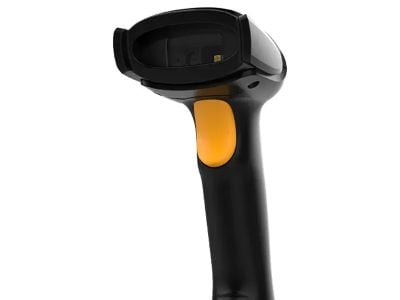
Understanding how a 2D scanner QR code device handles mobile payments in retail is crucial for businesses aiming to enhance their customer service and operational efficiency. These devices not only streamline transactions but also improve security and data management. For purchasing managers and product specialists, it’s essential to grasp the technical specifications, security features, and common challenges associated with these devices to make informed decisions. This article will delve into the benefits, specifications, sourcing options, cost factors, and solutions related to 2D scanner QR code devices in the context of mobile payments
How 2D Scanner QR Code Devices Enhance Mobile Payment Security
2D scanner QR code devices play a vital role in securing mobile payments in retail environments. These devices utilize advanced encryption algorithms to protect sensitive customer data during transactions. When a customer scans a QR code for payment, the device captures the code and transmits the information securely to the payment processor. This minimizes the risk of data breaches and fraud, as the payment information is encrypted at the point of capture
Moreover, many 2D scanners come equipped with features like anti-tampering technology and secure boot processes, which ensure that only authorized firmware and software can run on the device. Retailers should also consider devices that support two-factor authentication, adding an extra layer of security for high-value transactions. By investing in high-quality 2D scanner module QR code devices, businesses can significantly reduce the risk of payment fraud and enhance customer trust
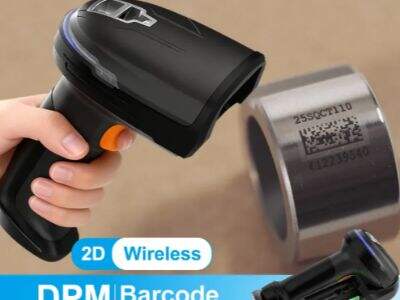
Key Specifications to Consider for 2D Scanner QR Code Devices
When evaluating 2D scanner QR code devices for mobile payments, several key specifications should be prioritized
Scanning Speed and Accuracy: The device should be able to quickly and accurately read QR codes, even those that are partially damaged or poorly printed. A high scanning speed ensures that checkout lines move quickly, improving customer satisfaction
Connectivity Options: Look for devices that support multiple connectivity options, such as Bluetooth, Wi-Fi, or USB. This versatility allows for easy integration with existing point-of-sale systems
Durability and Design: In retail settings, devices are often subjected to wear and tear. Opt for scanners that are rugged and can withstand drops, spills, and dust. A compact design can also facilitate easy handling and storage
Battery Life: For mobile applications, battery life is crucial. Devices should offer long operational times between charges, with options for quick recharging
Compatibility with Payment Systems: Ensure that the scanner is compatible with the retail software and payment processors used in your business. This compatibility will streamline the transaction process and reduce integration issues
By focusing on these specifications, businesses can select a 2D scanner QR code device that not only meets their current needs but is also adaptable for future advancements
Where to Source High-Quality 2D Scanner QR Code Devices Wholesale
Finding a reliable source for high-quality 2D scanner QR code devices is essential for businesses looking to implement mobile payment solutions. Suppliers like Suzhou Langhuike IoT Technology Co., Ltd. offer a range of products that cater to various retail needs. When sourcing these devices, consider the following
Supplier Reputation: Look for manufacturers with a proven track record in the industry. Review their certifications, customer feedback, and case studies to assess their reliability
Product Range: A supplier that offers a variety of models can provide options tailored to specific retail needs, whether for handheld use or fixed installations
Customization Options: Many suppliers, including those experienced in IoT solutions, can offer customization based on specific business requirements. This may include branding, software integration, or specific hardware features
Wholesale Pricing and Minimum Order Quantities (MOQ): Understand the pricing structure and any MOQs that may apply. This will help in budgeting and ensuring that your order meets financial constraints
After-Sales Support: Opt for suppliers who provide robust after-sales service, including technical support and warranty options, to ensure smooth operation post-purchase
By carefully evaluating suppliers based on these criteria, businesses can secure the best devices for their mobile payment systems
Evaluating the Cost Factors of 2D Scanner QR Code Devices
The cost of 2D scanner QR code devices can vary widely based on several factors. Here are key considerations for budgeting
Initial Purchase Price: This includes the base cost of the device, which can vary depending on specifications such as scanning speed, durability, and additional features
Integration Costs: Consider any expenses related to integrating the scanner with existing payment systems and software. This may include installation fees or additional hardware
Maintenance and Support: Factor in the costs associated with maintaining the devices over time, including warranty extensions, repairs, and software updates
Training for Staff: Adequate training for employees on how to effectively use the scanners is essential and may incur additional costs
Volume Discounts: If purchasing multiple units, inquire about bulk pricing or discounts that may lower the overall cost per unit
By assessing these cost factors, businesses can create a more accurate budget and ensure that they are making a financially sound investment in their mobile payment technology
Common Problems with 2D Scanner QR Code Devices and Solutions
While 2D scanner QR code devices offer numerous advantages, they can also present challenges. Understanding common issues and their solutions can enhance operational efficiency
Poor Scanning Performance: If a device struggles to read QR codes, it may be due to inadequate lighting or a dirty scanner lens. Regular cleaning and ensuring proper lighting conditions can mitigate these issues
Connectivity Issues: Problems connecting to payment systems can arise from outdated firmware or poor network conditions. Regular updates and ensuring a strong network signal are essential for reliable performance
Battery Life Concerns: Devices that frequently run out of battery can disrupt service and frustrate customers. Investing in devices with longer battery life or having spare batteries on hand can alleviate this problem
User Errors: Staff may face challenges in using the device efficiently, leading to transaction delays. Comprehensive training sessions can significantly improve user competency and minimize errors
Compatibility Problems: Incompatibilities with existing systems can hinder functionality. Buyers should conduct thorough compatibility checks before purchasing and consult the manufacturer for advice on optimal configurations
By proactively addressing these common problems, businesses can ensure smoother operations and a better experience for both staff and customers
FAQ
What are the benefits of using a 2D scanner module industrial QR code device for mobile payments
2D scanners enhance transaction speed, improve customer experience, and provide secure payment processing with encryption
How do I choose the right 2D scanner QR code device for my business
Consider scanning speed, connectivity options, durability, battery life, and compatibility with existing systems
What should I do if my 2D scanner QR code device is not working properly
Check for a dirty lens, ensure proper lighting, update firmware, or contact technical support for assistance
Table of Contents
- How 2D Scanner QR Code Devices Enhance Mobile Payment Security
- Key Specifications to Consider for 2D Scanner QR Code Devices
- Where to Source High-Quality 2D Scanner QR Code Devices Wholesale
- Evaluating the Cost Factors of 2D Scanner QR Code Devices
- Common Problems with 2D Scanner QR Code Devices and Solutions
- FAQ