
 EN
EN

Handheld Barcode Scanner Versus Fixed: Which is Right for Your Business?
In the evolving landscape of retail, logistics, and warehouse management, the decision between handheld and fixed barcode scanners is pivotal. Both technologies boast unique benefits tailored to specific business needs, streamlining operations, enhancing efficiency, and driving accuracy. Drawing from years of experience in inventory management and technological solutions, I've witnessed firsthand how the choice between these two types of scanners can significantly impact daily operations. Let's delve into the intricacies of handheld and fixed barcode scanners, supplemented by real-world anecdotes, to guide you in making the best choice for your business.
The Dynamic Operability of Handheld Scanners
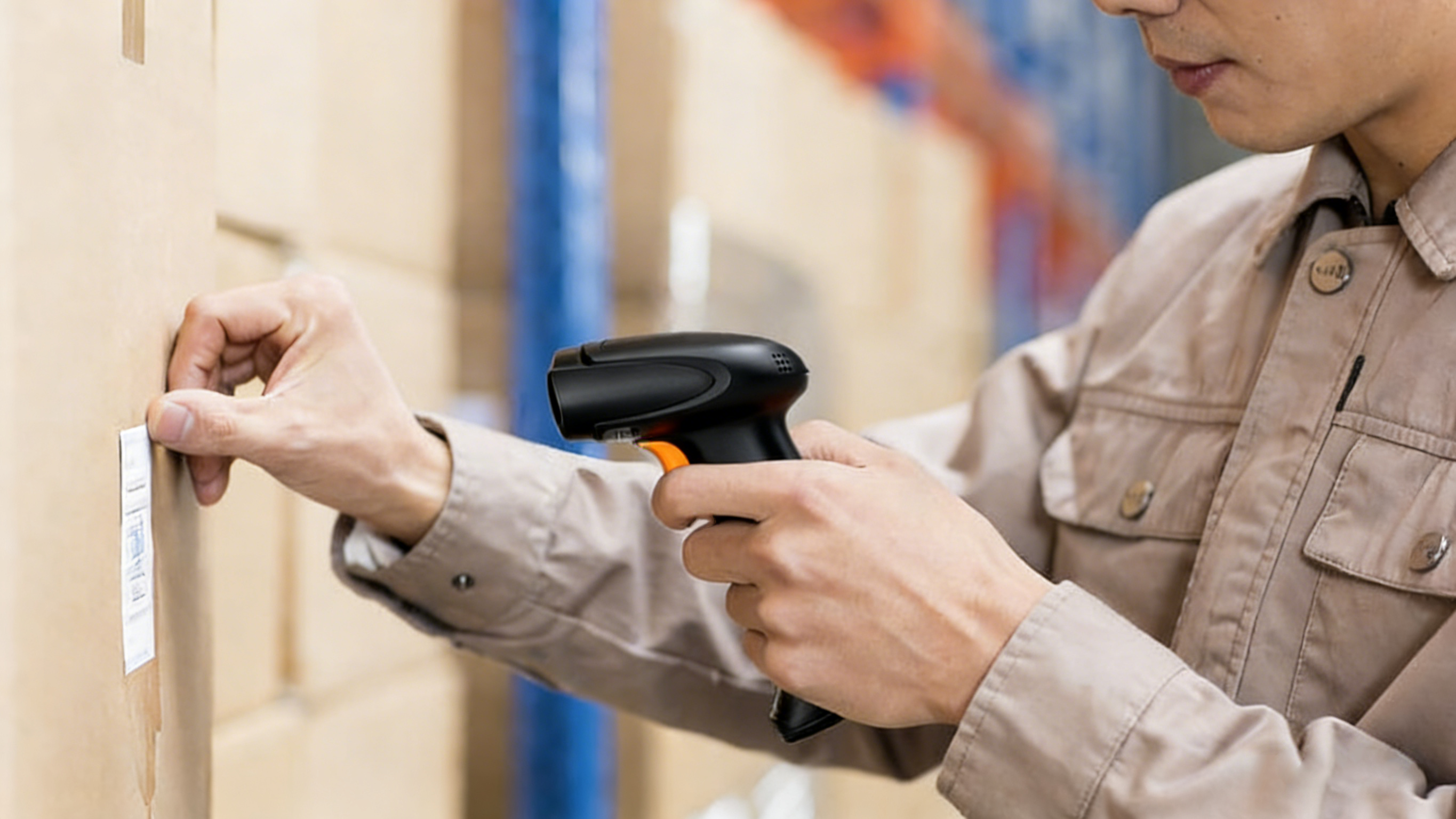
Handheld barcode scanners offer unparalleled flexibility and mobility, pivotal for businesses requiring scanning versatility and on-the-go efficiency. In one memorable instance, a bustling bookstore faced the daunting task of conducting a complete inventory. They employed handheld scanners, empowering staff to swiftly navigate aisles, scan barcodes of varying sizes and orientations, and accomplish the task with remarkable efficiency. This experience underscored the handheld scanner's capability to adapt to diverse environments and tasks, from point-of-sale transactions to stocktaking.
Key Advantages of Handheld Scanners include:
Mobility: Their wireless capability allows for real-time data capture and processing anywhere in the store or warehouse. Modern handheld scanners often feature Bluetooth connectivity, enabling seamless synchronization with inventory management systems and point-of-sale terminals. This wireless freedom eliminates the constraints of cables and allows employees to move freely throughout the facility, scanning items in hard-to-reach places or during customer interactions without missing a beat.
Flexibility: Easily switch from in-store sales transactions to inventory management. The versatility of handheld scanners means that a single device can serve multiple purposes throughout the day. During peak hours, staff can use them at checkout counters to process customer purchases quickly. During slower periods or after hours, the same devices can be deployed for cycle counting, price verification, or receiving new shipments. This multi-functionality maximizes return on investment and reduces the need for specialized equipment for different tasks.
Usability: Intuitive design and operation reduce the learning curve for new employees. Most modern handheld scanners feature ergonomic designs that minimize hand fatigue during extended use, with lightweight construction and comfortable grip positions. The learning curve is minimal—typically requiring just minutes of training—which proves invaluable during seasonal hiring surges when retailers onboard temporary staff for holiday rushes. Additionally, many models now incorporate advanced imaging technology that can read damaged or poorly printed barcodes that might otherwise cause scanning failures.
Durability: Built to withstand the rigors of daily use in demanding environments. Industrial-grade handheld scanners often feature ruggedized casings with IP ratings for dust and moisture resistance, and can survive multiple drops onto concrete floors. This durability ensures longevity even in busy warehouse environments where equipment inevitably takes a beating.
Cost-Effectiveness: For small to medium-sized businesses, handheld scanners represent an accessible entry point into automated inventory management. With options ranging from basic models under $100 to sophisticated enterprise-grade devices, businesses can scale their investment according to their needs and budget constraints.
The Steadfast Reliability of Fixed Barcode Scanners
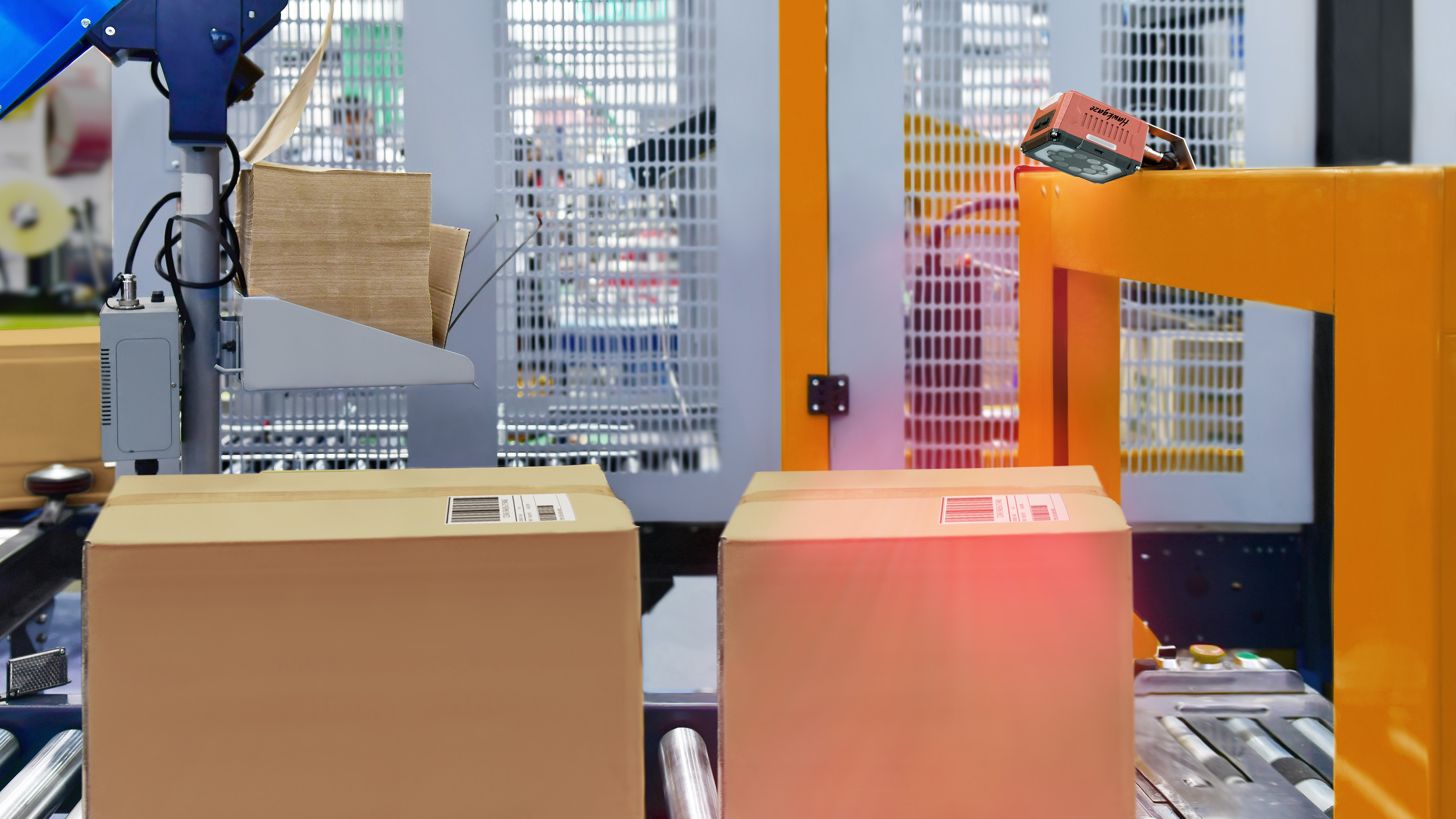
On the other hand, fixed barcode scanners excel in environments where speed, consistency, and high-volume scanning are paramount. A notable example of their effectiveness was observed in a distribution center for a leading online retailer. Here, fixed scanners were installed at key points along the conveyor belts, automatically scanning thousands of items hourly with minimal human intervention. This setup not only accelerated the processing time but also drastically reduced scanning errors, a testament to the fixed scanner's reliability and the seamless integration into automated processes.
Key Benefits of Fixed Scanners include:
Speed: Capable of scanning hundreds of barcodes per minute, perfect for high-volume transactions. Fixed scanners operate continuously without fatigue, maintaining consistent scanning speeds throughout even the longest shifts. In high-throughput environments like parcel sorting facilities, this translates to processing capacities of 10,000+ items per hour, a volume simply unattainable with manual scanning methods.
Accuracy: Reduced human error with automatic barcode recognition.
Integration: Easily integrates with conveyor belts and automated sorting systems.
Choosing the Right Scanner for Your Business
The decision hinges on understanding your specific operational needs, factoring in the volume of goods processed, the mobility required by staff, and the integration within existing systems. For instance, a local artisan bakery might prefer the versatility and cost-effectiveness of handheld scanners for managing a limited inventory and conducting sales. Conversely, a large-scale manufacturing plant would benefit from the automation capabilities and speed of fixed scanners, aligning with their high-volume production and shipping operations.
Conclusion
Selecting between handheld and fixed barcode scanners is a pivotal decision influencing operational efficiency, accuracy, and employee productivity. Based on experiences across various sectors, I advocate for a holistic analysis of your business processes, considering both immediate needs and future scalability. While handheld scanners offer unmatched flexibility and mobility, fixed scanners provide the speed and reliability required for high-volume environments.
In the end, the optimal choice may not be an "either/or" scenario but a blend of both technologies, harnessing their strengths to meet diverse operational demands. For businesses on the cusp of growth or diversification, such a hybrid approach could provide the agility and efficiency necessary for success in today's competitive marketplace.