
 EN
EN

Vending machine's embedded barcode scanner handles QR, 1D & 2D codes
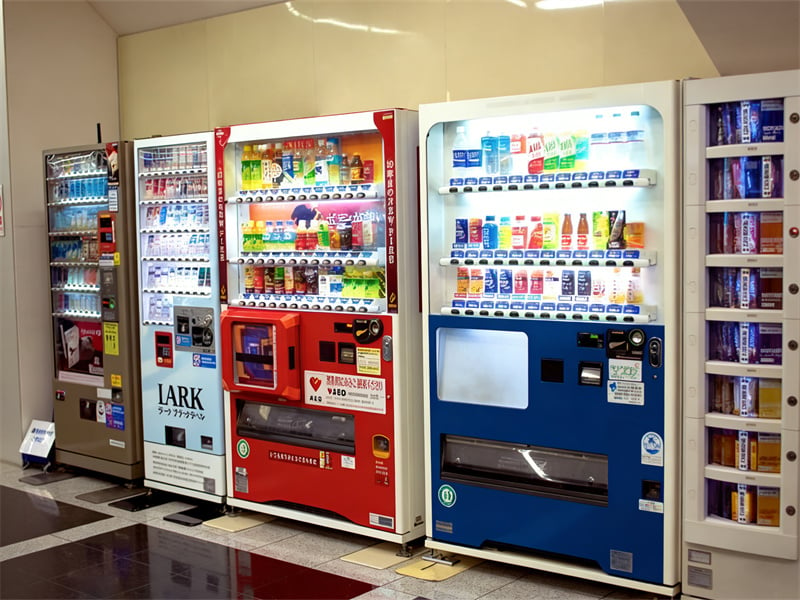
With the accelerating global shift toward cashless payment ecosystems, vending machines are undergoing a fundamental transformation from traditional coin-and-currency mechanisms to seamless QR code-based transaction systems. At the heart of this evolution lies the widespread adoption of embedded barcode recognition modules—sophisticated components that not only support comprehensive compatibility with both 1D barcodes and 2D QR codes but also demonstrate exceptional decoding performance under complex and challenging environmental conditions. This article provides an in-depth analysis of how this technology is driving the intelligent upgrade of vending machine operations through three critical dimensions: technical specifications, application scenarios, and broader industry impacts.
Technical Characteristics: Full Compatibility and Environmental Adaptability
The embedded barcode recognition module serves as the "intelligent eye" of the modern vending machine, enabling it to perceive and process payment information with remarkable accuracy and speed. Its core technical attributes include:
Multi-Code Compatibility: These advanced modules are engineered to support an extensive range of barcode symbologies. This includes traditional one-dimensional barcodes (such as the ubiquitous EAN-13 found on retail products), two-dimensional QR codes (including QR Code and Data Matrix formats commonly used for mobile payments and digital coupons), and critically, electronic screen codes—the dynamically refreshing payment codes displayed on mobile devices for platforms like Alipay and WeChat Pay. This universal compatibility ensures that vending machines can serve the broadest possible user base without being restricted by payment method or code type.
CMOS Imaging and Intelligent Algorithms: Moving beyond the limitations of older laser-based scanners, modern embedded modules leverage advanced CMOS image sensors. When combined with sophisticated AI-powered image recognition and decoding algorithms, this technology enables rapid and accurate decoding even in environments traditionally challenging for optical systems. These modules perform reliably under intense direct sunlight, in dimly lit indoor locations, and when scanning codes displayed on mobile phone screens that may have protective films, anti-glare coatings, or variable brightness levels. The intelligent algorithms can also compensate for partially damaged or poorly printed codes, significantly enhancing first-pass read rates.
High Efficiency and Low Power Consumption: Performance metrics for these modules are optimized for the self-service environment. Theoretical decoding speeds can reach an impressive 280 to 300 scans per second, ensuring that the system can quickly lock onto a presented code. In practical terms, this translates to a response time of less than 0.2 seconds from code presentation to transaction initiation, creating a frictionless user experience that feels instantaneous. Furthermore, these solid-state imaging systems consume significantly less power than traditional laser-based scanners, making them ideally suited for battery-backed or energy-conscious vending machines that operate 24 hours a day, seven days a week.
Application Scenarios: Comprehensive Empowerment from Payment to Data Management
The utility of embedded barcode scanners extends far beyond simply processing payments, permeating various aspects of vending machine operations:
Payment Scenarios: The primary and most visible application is in facilitating cashless transactions. Users simply present their mobile payment code near the scanner window; the module automatically detects the code, triggers the recognition process, and completes the transaction without any additional user intervention. A prime example can be found in the beverage vending machines operating within Shenzhen's metro system. These machines, equipped with high-performance embedded modules, enable what can be described as "instant payment," dramatically reducing queuing time during peak commuting hours and improving overall passenger flow.
Inventory and Logistics Management: Beyond the user-facing payment function, these modules play a crucial behind-the-scenes role in optimizing supply chain efficiency. During the stocking process, or even automatically upon product dispensing, the scanner can read the one-dimensional barcodes on individual product packaging. This sales data, captured in real-time, can be automatically uploaded to cloud-based inventory management systems. This provides merchants and operators with accurate, up-to-the-minute visibility into stock levels, enabling them to optimize replenishment schedules, reduce waste from out-of-stock or overstocked items, and make data-driven decisions about product placement and assortment.
Multimodal Interaction: In more advanced, high-end vending machine models, the embedded scanner is being integrated as part of a broader multimodal interaction system. For instance, combining "QR code scanning + facial recognition" allows for enhanced security features, such as age verification for restricted products, and enables personalized services, like greeting returning customers by name or offering tailored product recommendations based on purchase history linked through their payment account.
Industry Impact: Reshaping Retail and the User Experience
The widespread integration of embedded barcode scanners is having a profound impact on the vending machine industry and the broader retail landscape:
Improved Operational Efficiency: The shift to code-scanning payments has virtually eliminated many of the mechanical failures associated with traditional currency acceptors, such as jammed coins or rejected banknotes. Operators report a reduction in maintenance costs of over 30%. Furthermore, the real-time data synchronization capabilities facilitated by these scans are helping to move vending machine operation from a reactive, guesswork-based model to a proactive, data-driven strategy of refined operational management.
User Experience Upgrade: The technology's support for multiple code types and its rapid response time cater effectively to the habits of users across different age groups. It seamlessly accommodates tech-savvy younger users while simultaneously lowering the barrier to entry for elderly consumers who may be less familiar with traditional vending machine mechanics but are increasingly comfortable with the simplicity of scanning a code.
Industry Competition Barriers: The capabilities of the barcode recognition module itself have become a source of competitive differentiation. Manufacturers like Visionda and Newland provide equipment makers with customized Software Development Kits (SDKs) and open interfaces, allowing for deep integration and the creation of unique, value-added features. This shifts the competitive landscape from simple hardware specifications to the sophistication of the integrated software and system solutions.
Looking ahead, as Internet of Things technology continues to advance, barcode recognition modules will increasingly converge with other interaction modalities, such as NFC card-swiping systems, to enable truly multimodal transaction interfaces combining "QR code scanning + near-field communication." Concurrently, module manufacturers are actively exploring edge computing capabilities, aiming to equip devices with localized data processing functions to enhance response speed, reduce cloud dependency, and strengthen data privacy and security standards for users.
In conclusion, the embedded barcode recognition module represents far more than a simple technological upgrade for vending machines; it is a microcosm of the ongoing digital transformation sweeping across the entire retail industry. With its fully compatible design, high reliability, and ease of integration, this unassuming component is fundamentally reshaping the "human-machine-goods" interaction model, laying a robust technological foundation for the future of unmanned retail and autonomous commerce scenarios.